
Guide · June 28, 2026
Why a Wide Toe Box Matters for Athletes
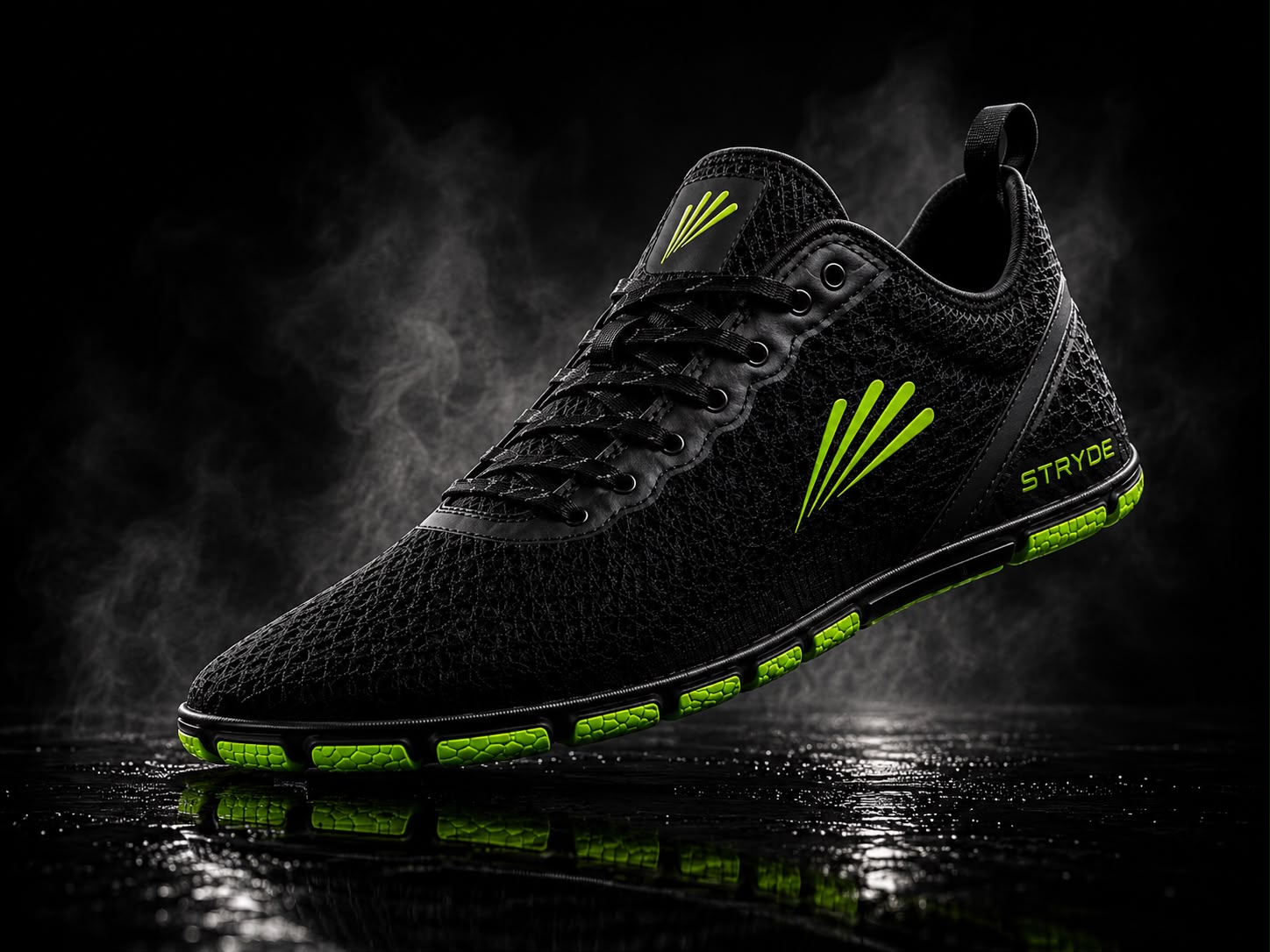
Most athletic shoes taper to a point at the front. It looks fast. But it squeezes the part of your foot that does some of your most important work: your toes. A wide, anatomically shaped toe box does the opposite: it gives the front of your foot room to do its job. Here's why that matters when you train and compete.
What "anatomical toe box" actually means
Your foot is widest across the toes, not the ball. A traditional toe box narrows before your toes end, gently squeezing them together. An anatomical toe box is shaped like a relaxed human foot, wider at the front, so your toes can sit and spread the way they do when you're barefoot. STRYDE builds to roughly a 102 mm forefoot width for this reason: room to splay, not just room to fit.
Toe splay is part of how you balance
When you're barefoot on a stable surface, your toes spread and press into the ground. That spread widens your base of support and gives you small, constant corrections that keep you balanced. Crowd the toes into a narrow box and you lose some of that. For a wrestler holding a stance, a lifter setting up under a bar, or anyone training for control, letting the toes spread is letting your foot do what it's built to do.
“The goal isn't as wide as possible. It's anatomical: snug where your foot is narrow, open where your toes live.”
A wider front end can mean more drive
The push-off phase of almost any athletic movement runs through the front of your foot. Toes that can spread and grip the ground give that push a broader, more stable platform to work from. It's the difference between driving off a foot that's locked in a narrow cone and one that's free to splay and load. Pair that with a zero-drop platform, heel and forefoot level, and your whole foot stays connected to the ground through the movement.
Less crowding, less fatigue
Spend a long session with your toes pressed together and the front of your foot works overtime just resisting the squeeze. Give the toes their natural width and that low-grade tension eases. Many athletes describe roomier, anatomically shaped shoes as simply less tiring over a long day of training. Your foot isn't fighting the shoe.
The trade-off, honestly
Wide isn't automatically better for everyone or every moment. A narrow, locked-down shoe can feel precise for short, explosive efforts, and switching to a roomier last takes a short adjustment as your foot relearns to spread. The goal isn't “as wide as possible”. It's anatomical: shaped to your foot's real geometry, snug through the midfoot, open where your toes live. That's the balance STRYDE designs for.
How STRYDE builds it
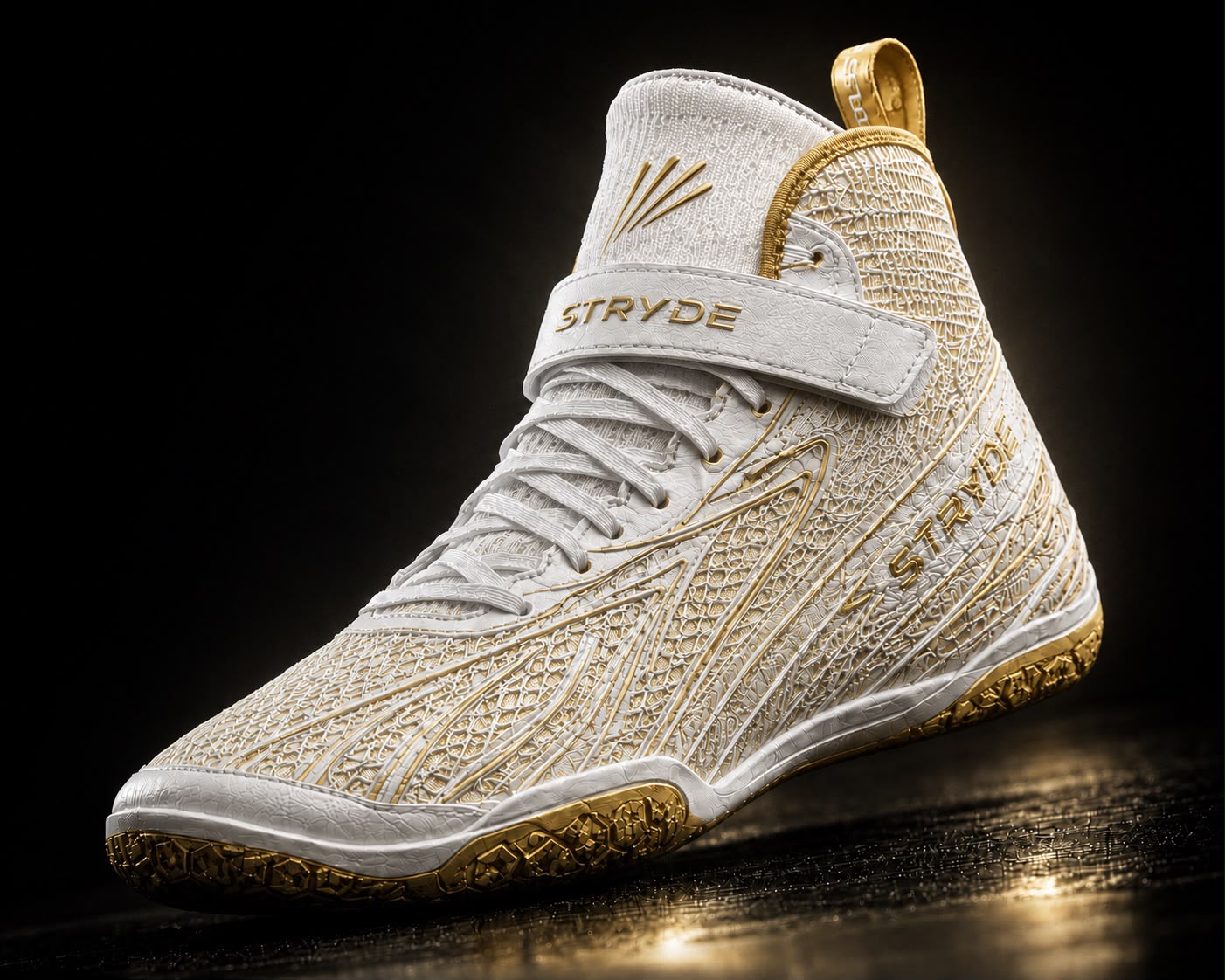
Every STRYDE silhouette uses the same approach: an anatomical toe box for natural splay, a secure midfoot (an adaptive strap on Stryde Wrestlers) so the wider front doesn't mean a sloppy fit, a zero-drop platform so you stay level and grounded, and a thin, flexible sole so you actually feel the surface you're working on. Room where you need it, lockdown where you don't.
Want to feel the difference? Shop the drop or find your fit.